
Initially, mine and Ettore Verdiani's project was to develop new products to market. Later we realised that Smashing Plastic did not need new products to sell, instead we needed a direction to go from a strategic point of view.
The main objective we set ourselves at the start of the thesis was to build around Smashing Plastic a strong brand, focused on the target target audience and different from its competitors.
Within the thesis, we recounted the process that led us to the redefinition of a specific market in which to operate, starting with an analysis of the current situation.
Smashing Plastic 's main supplier is a company in the province of Monza that produces filament for 3D printing processes.
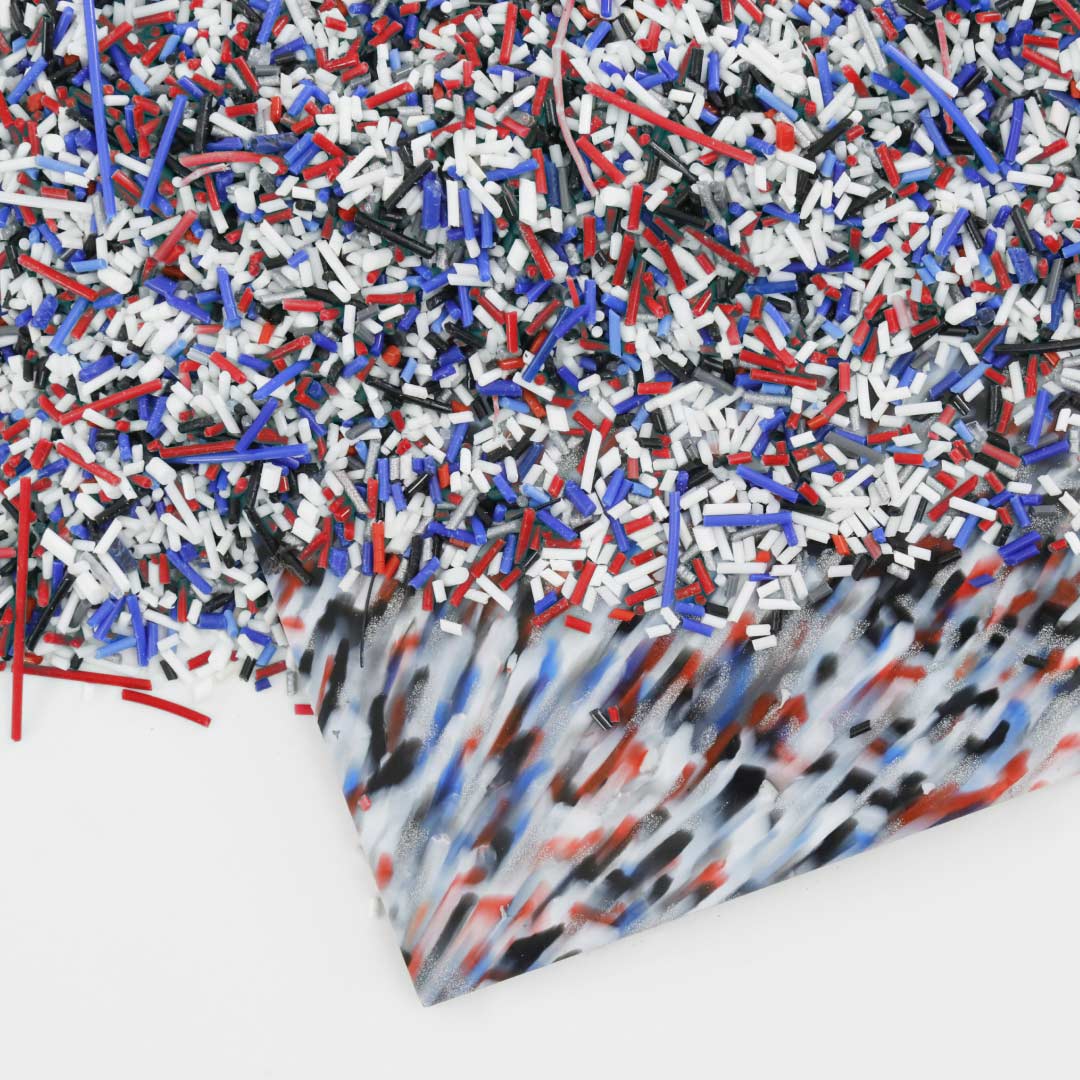
The production of such filament generates numerous waste to be disposed of, especially when made inside the extruder.
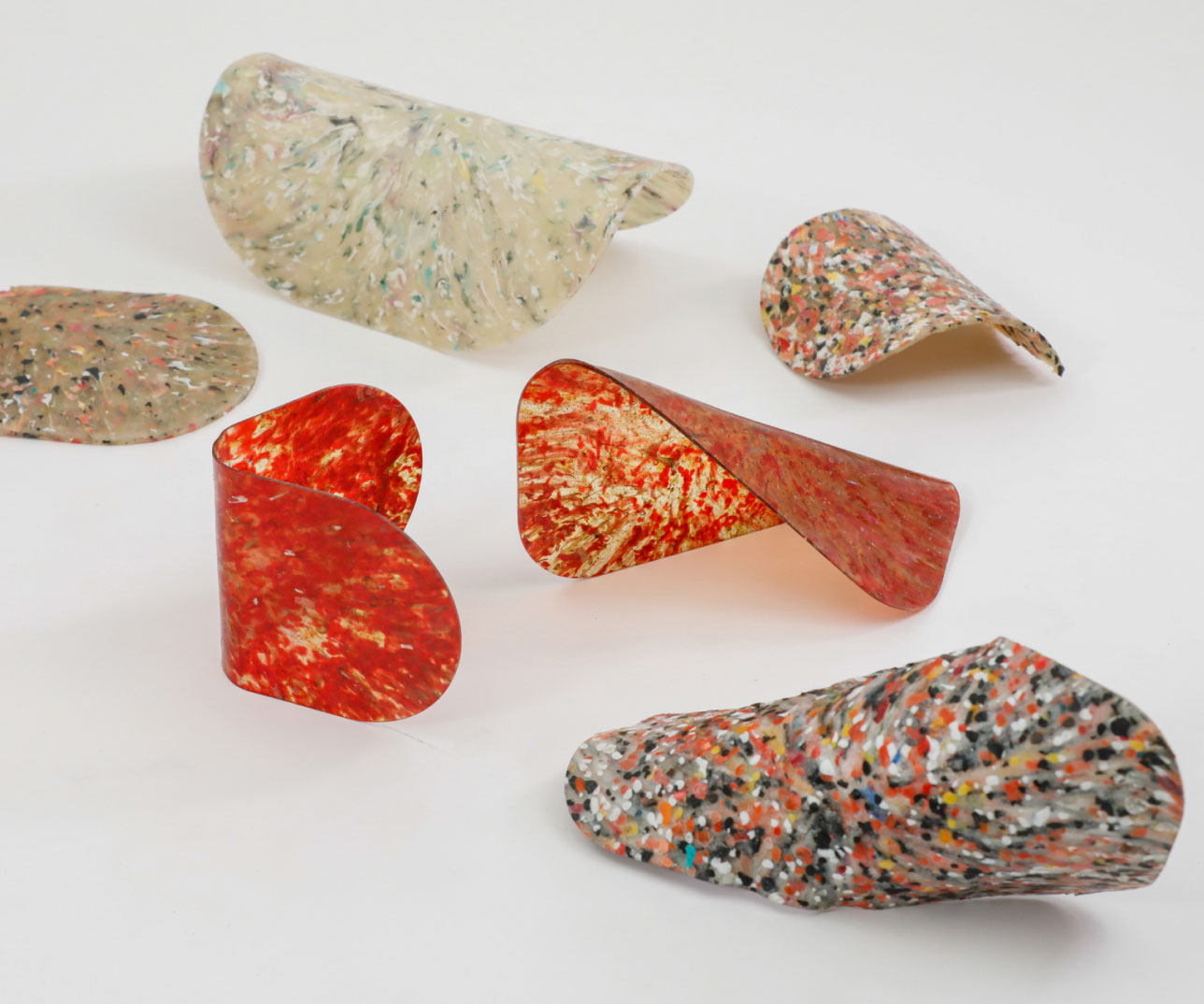
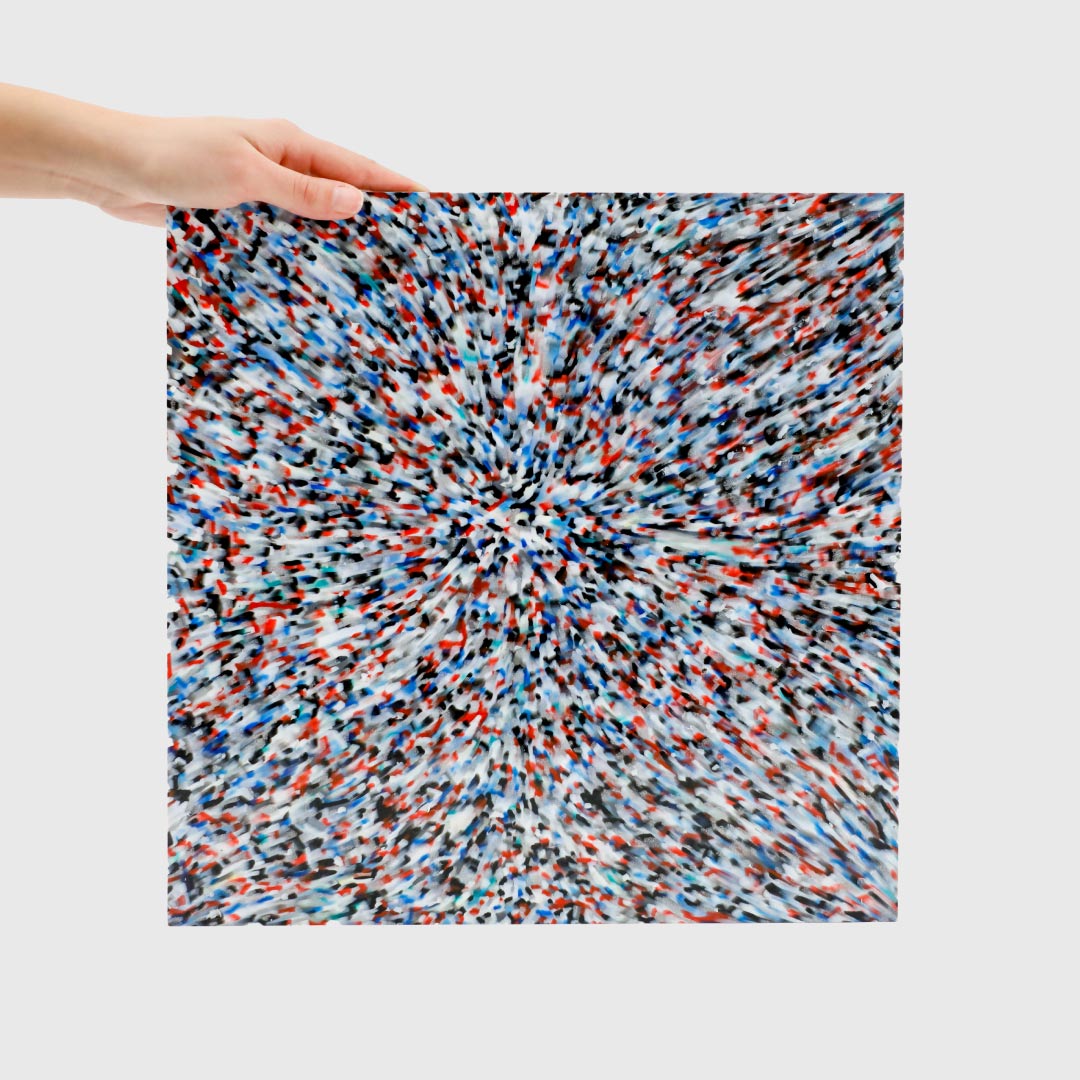
The granule can be ground into various sizes: if the filament fragments are made to pass several times through the inside the shredder, very small fragments are obtained very small fragments that during melting tend to create a homogeneous colour.
The proposal for a new logo stems mainly from the change of market for the company, from a B2C to a B2B. The logo proposal is identifiable given the pictogram elements and the chosen typeface style. These elements bring the brand image closer to its product, which is a variable, random, vibrant, uncontrollable product, but which in its disorder always manages to be pleasing and identifiable.
This key feature of all the plates produced by Smashing Plastic is complemented by the brutalist style of the font. Determined by a rigid and simple geometry, without decorations or graces because the focus is on the functionality and the direct expression of the character.


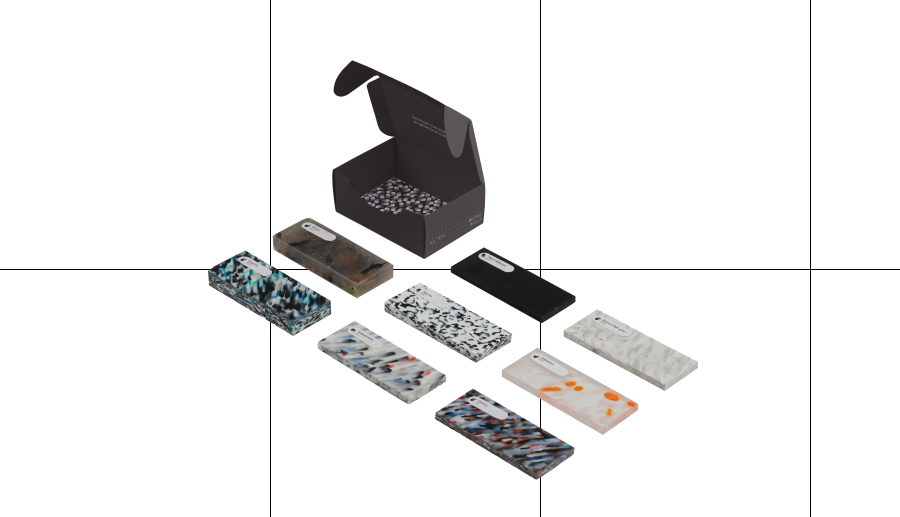
A relevant element that we have noticed the company lacking is the plate sample box, an essential tool to make itself known and remain in the minds of customers or anyone who wants to have it.
The box is shaped like a casket with a front opening that ensures a surprise effect when unboxing.
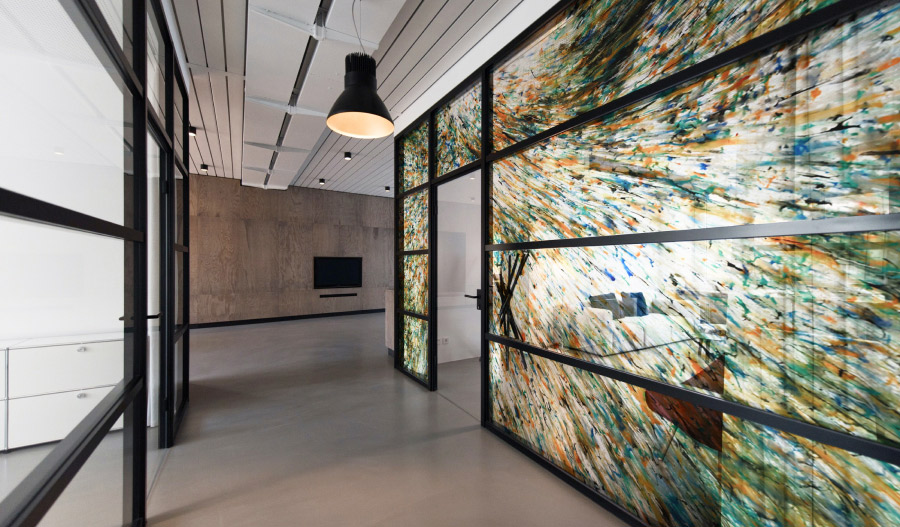
Despite the decision to choose to sell a semi-finished product within a B2B market, we thought it appropriate to design applications of this material within the furniture environment. Showing real applications of the offered semi-finished products brings numerous benefits to the company through communication. Showing real applications can be a source of inspiration for architects* and designers, inviting them to imagine new ways of using the material.
Applications in real-life contexts show how the material relates within a real space and how it combines with other furnishing elements.
.jpg)
.jpg)
.jpg)
.jpg)